_page-0001.jpg)


Traditional vineyards
The vineyards we cultivate are family-run, hobby-based. They are small plots with numerous cultivars, each with its own unique characteristics stemming from environmental compatibility .
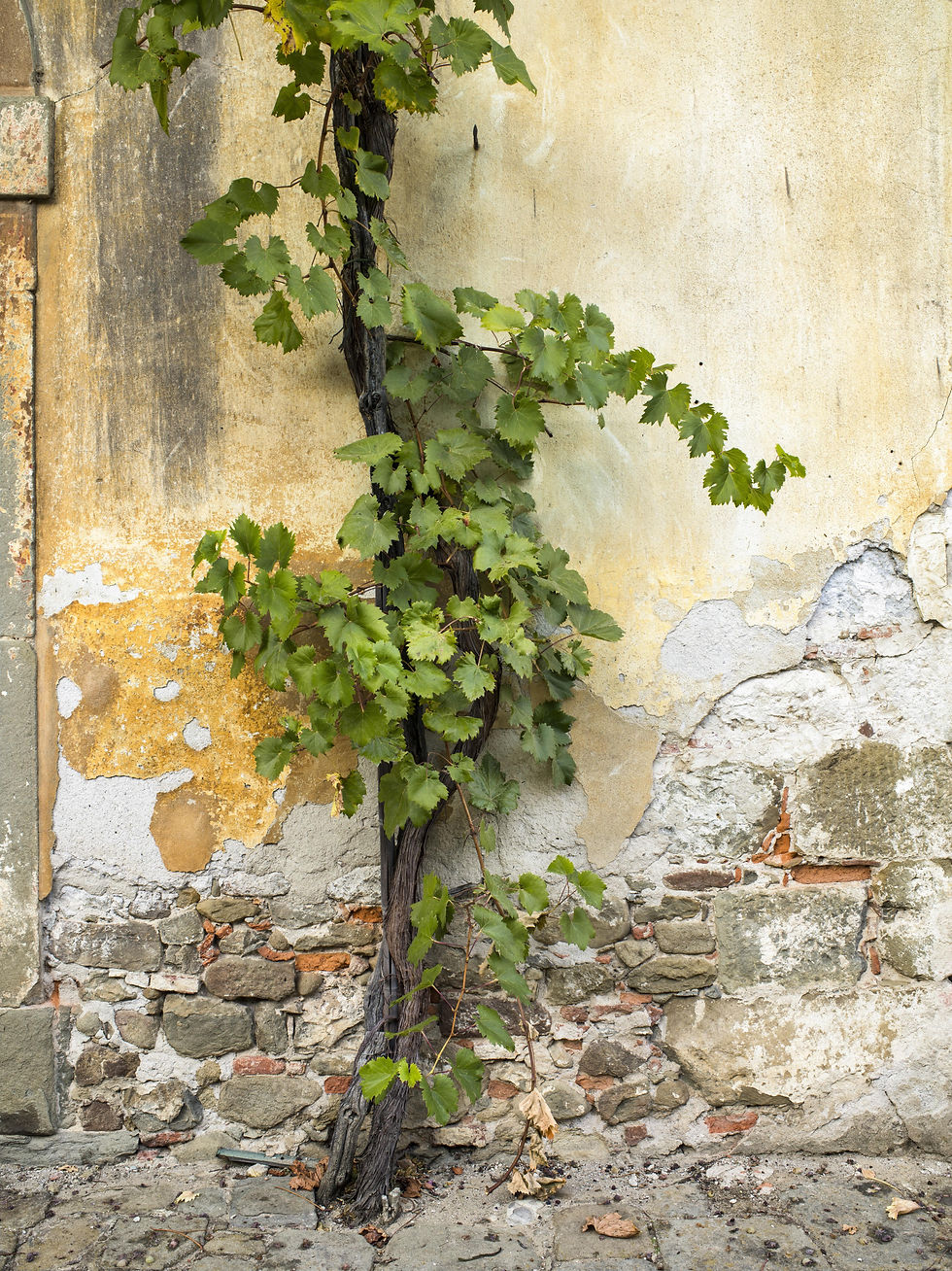
The predominant training system is espalier, with a small percentage trained as bush vines. The soils are predominantly acidic and basaltic, with a substantial skeleton.
In our processes, we do not subvert the balance of the ecosystem, but rather enhance its characteristics.
The processes we carry out are therefore all aimed at making the natural characteristics of the land as alive as possible.
The cultivars
The vineyards in production are rich in cultivars:
Cannonau, Bovale, Pinot, Monica, Barbera, Vermentino, Pascale, Arvesiniadu (called Erbighiniada in Seneghe), Cabernet Franc, Cabernet Sauvignon, Carignano, Moscato, Girò, Muristellu, Nasco.
Cannonau, Cagnulari, Nuragus, Bovale and Monica are the main replanting cultivars.
This diversity is in effect a legacy that we carry on.
The traditional family vineyards that we cultivate are, as mentioned, small plots, in which the imagination of each winegrower has resulted in many different varieties, as a sort of laboratory of experimentation.
Terroir
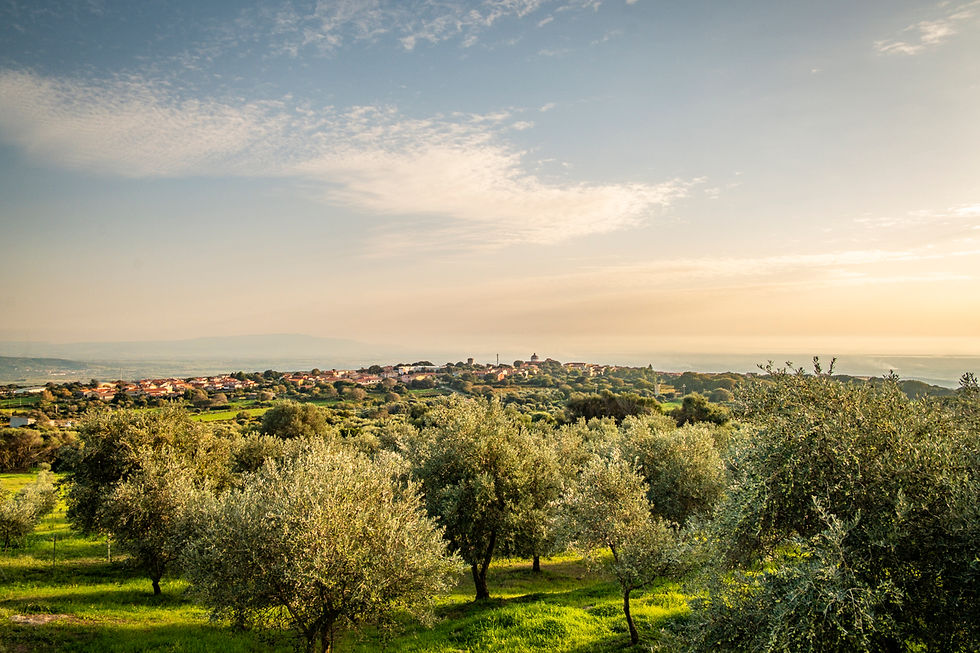
The complexity of Seneghe and the Montiferru is reflected in our vineyards and in the wines that come from them. Each of our vineyards is different, with its own identity, yet deeply interconnected with the others and with the surrounding territory. These are vineyards that require meticulous care, dedication and a strong emotional commitment.
We produce wine exclusively from grapes that we grow ourselves, overseeing every stage of the process, from the vineyard to the cellar. Seneghe’s vocation for winemaking is rooted in its history and expressed through the unique pedoclimatic characteristics of the area.
What we cultivate and transform represents a heritage for us: something to protect, preserve and pass on to those who will come after us. For this reason, we work with respect for the identity of our grapes, seeking to preserve their natural integrity and character as much as possible.
In the cellar, we intervene with care and restraint, paying close attention to each stage of the winemaking process and to the physical and chemical factors that contribute to the wine’s sensory characteristics. External interventions are kept to a minimum and limited to the conscious use of sulphites, with no other oenological additives.